
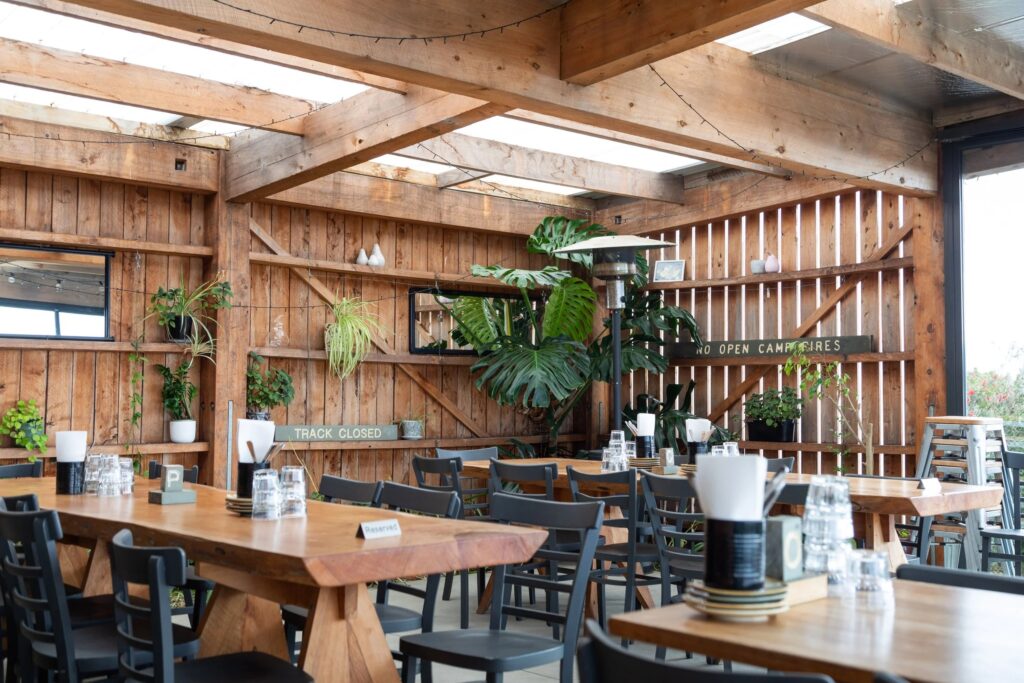
Timber can have a massive effect on the look, the feel and the life of a building project. The right timber for the job is going to be very much dictated by where it’s going to be used, how it’s going to be exposed to the weather and what appearance you’re after. Getting these factors right before you go to order is the only way to avoid expensive changes later on and to ensure you’re using the right material for the job.
For builders, designers and homeowners looking around for local options, Amber Creek Sawmill (Gippsland) is a family owned sawmill based near Fish Creek in South Gippsland. They take timber from agroforestry, plantations and salvage and produce it for a wide range of uses from structural framing and cladding through to decking and landscaping.

Start with where the timber will be used
A timber that does a good job indoors may not be the species you want for an exposed deck or out in the garden. You need to work out what the timber is going to be used for first, before you go looking at the species.
- Structural work, such as beams, posts or framing
- External cladding, where it will face sun, rain and wind
- Decking, which needs to suit outdoor exposure and regular foot traffic
- Interior features, such as flooring, lining boards or exposed beams
- Landscaping, including poles, stakes, steps and fencing
Each use has its own requirements. Structural timber has to meet the specification for that particular role whereas exterior timber will have to be suitable for the conditions it will be exposed to. If in any doubt, get your builder, designer or engineer to confirm what the project requires.
Match the timber species to the job
Different species have different attributes, different looks and different work characteristics. Amber Creek for instance lists Southern Bluegum for cladding, lining boards, battens and structural timber. Sugar Gum is used for decking, posts, beams and poles and Silvertop Ash is used for cladding, flooring, lining boards and structural products. Messmate is used for flooring and joinery.
These are just examples, not in any way a substitute for checking the product specification. You need to ask about the timber’s intended use, its durability, its structural grade and whether it’s supplied seasoned, dried or unseasoned. The correct answer will of course depend on the particular product and how it’s going to be installed.
Ask about moisture and preparation
Timber will change as it dries. If it’s installed prior to reaching the appropriate moisture content for its intended use it may shrink or move as it continues to dry and this can affect the joints, the gaps and the finished appearance.
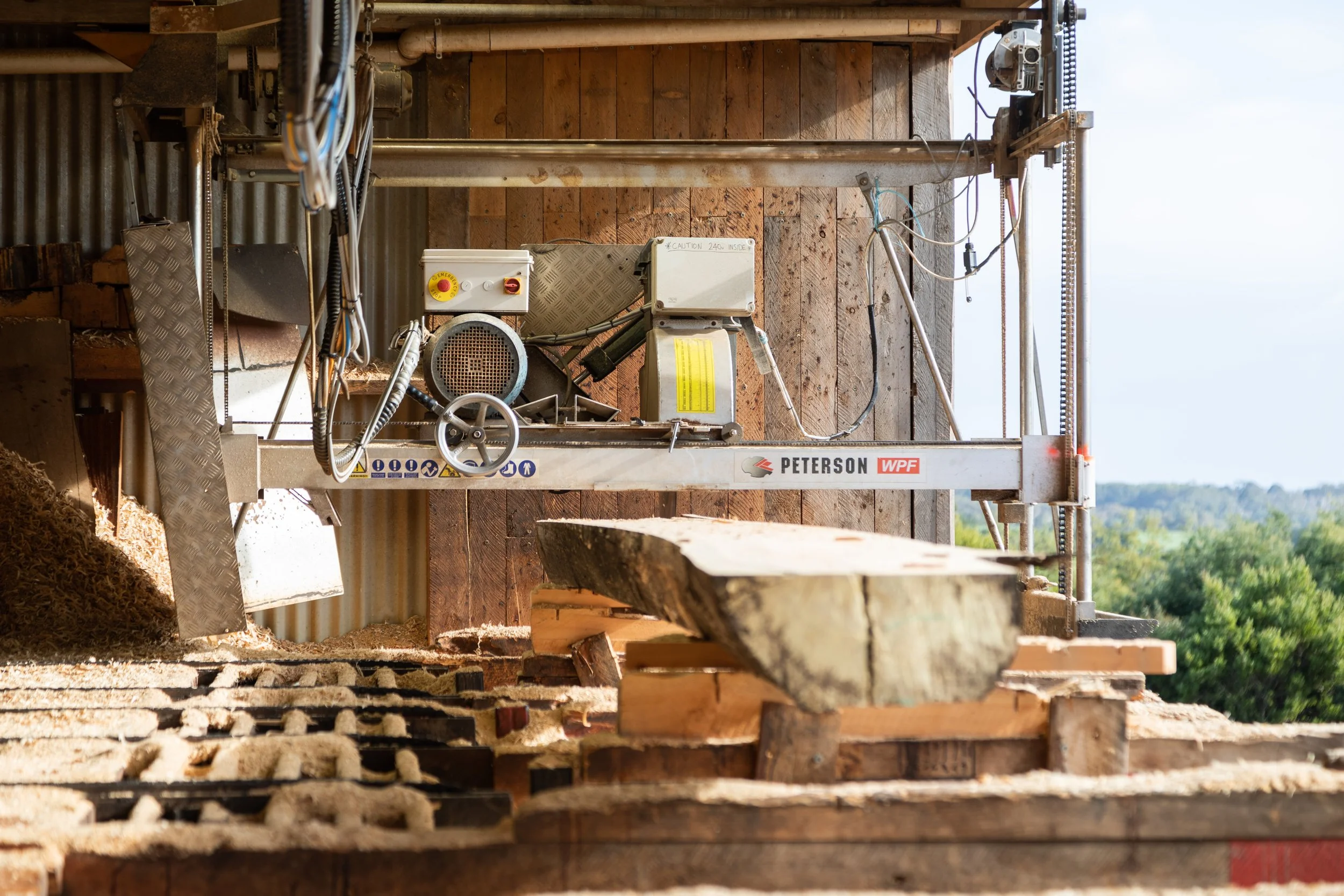
Ask your supplier whether the timber is air dried or kiln dried and whether it’s dressed or machined to the required profile. If it’s a custom job then give them the finished dimensions, quantities and intended use as early as possible. That way the sawmill will have a much clearer picture of what they’re being asked to produce and prepare.
Consider appearance as well as performance
Timber is a natural material so boards will vary in colour, grain and character. If the timber is going to be a visible feature then it’s worth discussing the look you’re after prior to placing an order. You may want consistent board widths, a particular profile or indeed a natural mix with variation.
It’s also worth thinking about the finish. Oil, stain or paint will affect the look and may have an impact on the maintenance regime. Make sure the finish you select is appropriate for the species and the conditions in which the timber will be installed.
Find out where the timber came from
Knowing where the timber comes from can assist you in making a more informed decision. It’s worth asking whether it’s from a plantation, an agroforestry planting or a salvaged source and whether the supplier can provide a full provenance. Some of the smaller sawmills are also capable of taking in odd or small batches which may not be appropriate for large scale production.
Amber Creek source their logs from a variety of Victorian suppliers and salvaged sources and aim to extract the maximum practical use from each log. Their in house processing includes sawmilling, resawing, drying, machining, grading and packing.
Plan early for custom or small batch work
Custom profiles and one off timber items will obviously take a bit more time to plan than standard stock. Get your drawings, dimensions, quantities and deadlines in as early as you can. If it’s timber for a structural application then include the relevant specs so the supplier and the project team can check that the product is suitable.
A bit of preparation makes it far easier to compare the options and reduces the chance of ending up with timber that doesn’t work for the end design. By looking at use, species, moisture, appearance and origin in combination you can select the timber that will work for the project and give the finished space the character you’re after.